
Business

How to choose the right AI scribe tool for your private practice

Looking for the right AI scribe tool for your private practice? Learn how to evaluate clinical documentation with artificial intelligence, explore legal and ethical considerations, and discover best practices to save time while delivering client-first care.

Maya Sherne
Maya Sherne
Published on Apr 04, 2025
Updated on Dec 09, 2025

Running a private practice is deeply rewarding, but it comes with its fair share of challenges—especially when it comes to documentation. Keeping up with notes while delivering high-quality care can feel overwhelming, but emerging technologies are making it easier to strike a balance. Clinical documentation with artificial intelligence, also known as AI scribe tools, is transforming how clinicians manage notes, offering a way to reduce administrative burdens, improve accuracy, and ultimately spend more time focusing on clients.

But with so many AI scribe solutions available, how do you determine which one truly fits your specific practice needs? It’s not just about automation—it’s about finding a solution that integrates seamlessly into your workflow, protects client confidentiality, and enhances, rather than disrupts, the clinical relationship. In this guide, we’ll explore key considerations for evaluating AI scribe tools, including legal and ethical factors, best practices for implementation, and how these tools can help your practice grow and thrive.

The Power of AI Scribes in Private Practice

As a private practice clinician, your time is one of your most valuable resources. Between client sessions, charting, and managing the business side of your practice, documentation can feel like a never-ending task. AI scribes—including AI progress note generator free tools and paid solutions—offer a practical way to ease that burden. These tools are designed to support your clinical expertise, not replace it, by helping you document more efficiently and stay present with your clients.

Here’s how AI scribes can support your practice:

  • Less time on documentation, more time with clients – AI scribes can automatically generate clinical notes and significantly reduce the hours spent on paperwork.
  • Improved accuracy and completeness – Advanced AI tools ensure notes are thorough and well-structured, minimizing the risk of missing key details during sessions.
  • More natural client interactions – Instead of dividing your attention between your client and note taking device, AI tools allow you to stay fully engaged in the conversation.
  • Scalability and efficiency – Whether you’re a solo provider or expanding your practice, AI scribes can help you streamline workflows and support growth.

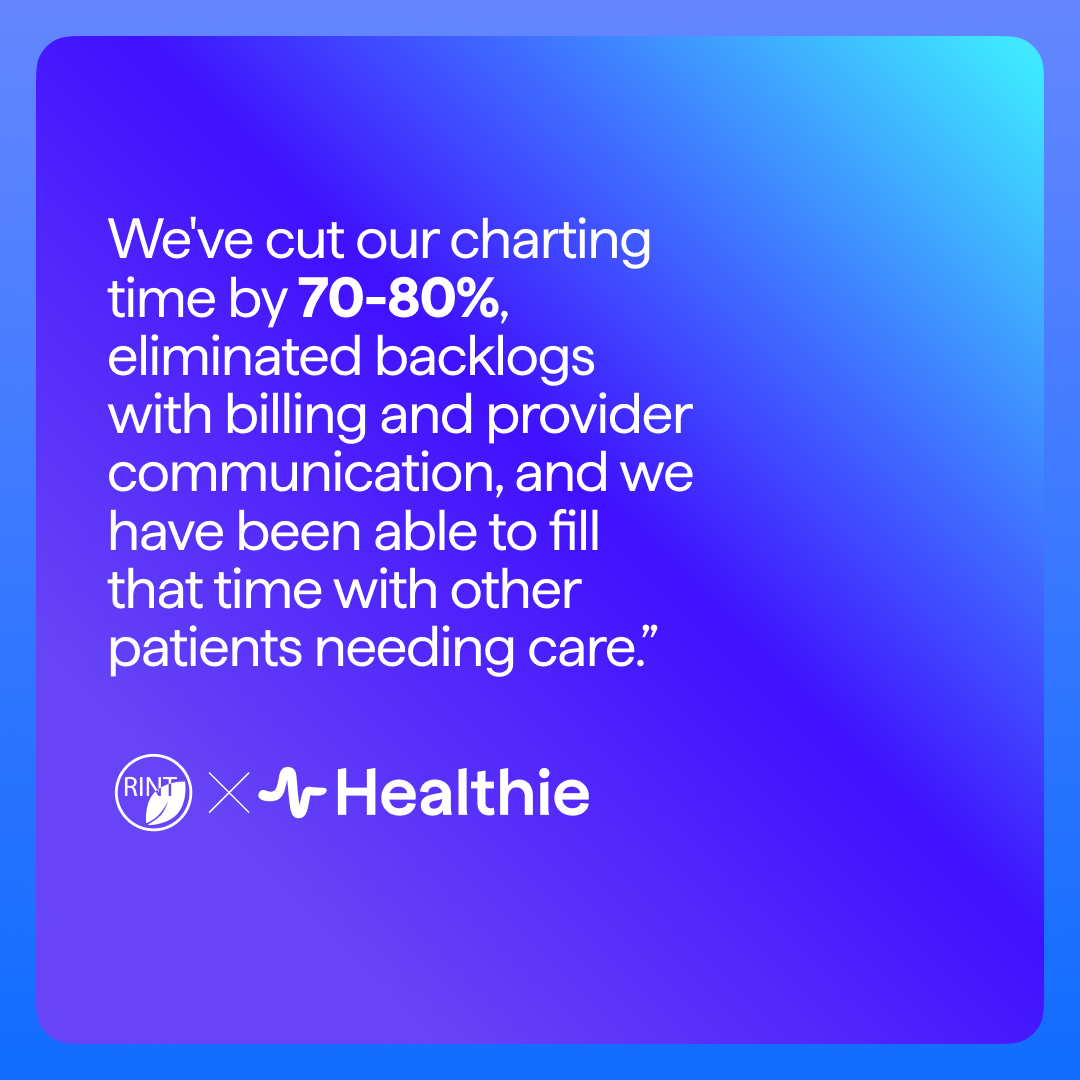
For example, early adopters of Healthie's AI Scribe report 95% experiencing significant time savings, with nine out of ten saving at least 10 minutes per session—time they can reinvest in client care or personal balance.

While AI scribes hold great promise for private practice clinicians, finding the right one requires a thoughtful evaluation process. Let’s walk through the most important factors to consider.

Key Considerations When Evaluating AI Scribe Tools

Not all AI tools are created equal—and finding the right one can feel like just another item on your to-do list. But a thoughtful, values-aligned approach to evaluation can help you make a confident decision that enhances your practice and preserves what matters most: the client experience.

Below are the core areas to consider when evaluating a solution:

Ensuring Compliance and Data Security

Your clients trust you with their personal information, and any technology you bring into your practice must protect that trust. When evaluating an AI scribe, ask:

  • Is the tool fully HIPAA-compliant?
  • Does it offer end-to-end encryption for data in transit and at rest?
  • Can you set role-based permissions to manage who has access?
  • Are there audit trails to document how data is handled?

Seamless Integration with Your Existing Workflow

The best AI scribe is one that works within your existing systems, not against them. Choose a tool that:

  • Works within your EHR or practice management software.
  • Allows you to customize note templates and formatting.
  • Minimizes friction, so you can stay focused on client care.

Customization and Clinical Relevance

No two practices are the same.You know your clients best and your documentation tools should reflect that. The best AI scribes:

  • Use language models trained for your specialty—like psychology AI or nutrition.
  • Learn your personal documentation style over time.
  • Include voice dictation features and the ability to recognize commonly used phrases.

Accuracy and Context Awareness

An AI scribe should generate notes that truly reflect the nuances of your sessions. Choose an AI medical note writer that:

  • Accurately transcribes and separates different speakers.
  • Understands context and clinical terminology.
  • Offers meaningful summaries or prompts—without overstepping.

Cost, Value, and Long-Term Investment

An AI scribe should be an investment that pays off in time saved and efficiency gained. Scribe tools range from free to premium platforms. As you explore your options:

  • Look for transparent pricing that matches your budget.
  • Consider how much time and energy you’ll save.
  • Ask whether customer support, updates, or training are included.

Legal and Ethical Considerations

AI scribes are powerful—but with great power comes responsibility. Here’s how to stay grounded in ethical, client-centered care.

Client Consent and Transparency

Trust and transparency are the foundation of a strong client-provider relationship. Before using an AI scribe, be upfront about how it works and what it means for your clients. Best practices include:

  • Explain how the tool works and how it will impact documentation.
  • Offer an opt-out if clients are uncomfortable.
  • Be upfront about where and how data is stored.

Who Owns the Data?

Don’t assume—before committing to an AI scribe tool, clarify:

  • Whether you maintain full ownership of client documentation.
  • How long the vendor stores data and whether it’s deletable.
  • If data is being used to train the AI engine, and under what conditions.

Avoiding AI Bias and Maintaining Clinical Integrity

AI tools are only as good as the data they are trained on. To prevent unintended biases in documentation:

  • Choose vendors that prioritize diversity in their datasets.
  • Routinely review AI-generated content for accuracy and fairness.
  • Communicate with vendors when you spot errors or biases.

How to Successfully Implement an AI Scribe in Your Practice

Choosing the right tool is just the beginning. To set your practice up for success:

Start Small and Learn

Before fully integrating an AI scribe, test it in a low-risk setting. A small-scale pilot can help you:

  • Test the tool in your real-world setting.
  • Troubleshoot early issues.
  • Get feedback from staff and clients.

Train Your Team for Success

Technology is only helpful if everyone knows how to use it, and even the best technology requires proper onboarding. To ensure a smooth transition:

  • Provide step-by-step training.
  • Encourage questions and experimentation.
  • Normalize a learning curve.

Evaluate and Adjust as You Go

Regular check-ins help you maximize the benefits of your AI scribe. Ongoing reflection will help you:

  • Track documentation improvements and time savings.
  • Check for consistent tone and accuracy in AI-generated notes.
  • Stay informed about updates and evolving features.

Finding the Right Fit for Your Practice

You started your practice to help people—not to get stuck in admin work. Whether you’re exploring a free AI progress note generator or considering an advanced medical dictation tool, the right technology should give you more time, energy, and presence to focus on what matters most.

AI scribes won’t replace your expertise, but they can help you document with more ease, clarity, and confidence. By approaching this decision with intention, you can find a solution that aligns with your values, enhances your workflow, and supports your commitment to client-first care.

Healthie embraces AI for private practices

Healthie has long helped private practice clinicians streamline workflows and reduce administrative burden. With AI Scribe, charting is now faster, more accurate, and integrated directly into the existing workflow.

Healthie’s AI Scribe offers:

  • Seamless Workflow: Notes flow directly into charting and billing.
  • Security by Design: All data stays within Healthie’s HIPAA-compliant platform.
  • Clinician-Centered Output: Notes reflect each provider’s tone, style, and specialty needs.

Beyond AI Scribe, Healthie continues to expand AI tools through Healthie Harbor offering solutions for charting, billing, scheduling, and more. By embedding intelligence into the tools clinicians already use, Healthie empowers practices to reduce manual work and focus more fully on client care.

Launch, grow & scale your business today.

Business

How to choose the right AI scribe tool for your private practice

Looking for the right AI scribe tool for your private practice? Learn how to evaluate clinical documentation with artificial intelligence, explore legal and ethical considerations, and discover best practices to save time while delivering client-first care.

Running a private practice is deeply rewarding, but it comes with its fair share of challenges—especially when it comes to documentation. Keeping up with notes while delivering high-quality care can feel overwhelming, but emerging technologies are making it easier to strike a balance. Clinical documentation with artificial intelligence, also known as AI scribe tools, is transforming how clinicians manage notes, offering a way to reduce administrative burdens, improve accuracy, and ultimately spend more time focusing on clients.

But with so many AI scribe solutions available, how do you determine which one truly fits your specific practice needs? It’s not just about automation—it’s about finding a solution that integrates seamlessly into your workflow, protects client confidentiality, and enhances, rather than disrupts, the clinical relationship. In this guide, we’ll explore key considerations for evaluating AI scribe tools, including legal and ethical factors, best practices for implementation, and how these tools can help your practice grow and thrive.

The Power of AI Scribes in Private Practice

As a private practice clinician, your time is one of your most valuable resources. Between client sessions, charting, and managing the business side of your practice, documentation can feel like a never-ending task. AI scribes—including AI progress note generator free tools and paid solutions—offer a practical way to ease that burden. These tools are designed to support your clinical expertise, not replace it, by helping you document more efficiently and stay present with your clients.

Here’s how AI scribes can support your practice:

  • Less time on documentation, more time with clients – AI scribes can automatically generate clinical notes and significantly reduce the hours spent on paperwork.
  • Improved accuracy and completeness – Advanced AI tools ensure notes are thorough and well-structured, minimizing the risk of missing key details during sessions.
  • More natural client interactions – Instead of dividing your attention between your client and note taking device, AI tools allow you to stay fully engaged in the conversation.
  • Scalability and efficiency – Whether you’re a solo provider or expanding your practice, AI scribes can help you streamline workflows and support growth.

For example, early adopters of Healthie's AI Scribe report 95% experiencing significant time savings, with nine out of ten saving at least 10 minutes per session—time they can reinvest in client care or personal balance.

While AI scribes hold great promise for private practice clinicians, finding the right one requires a thoughtful evaluation process. Let’s walk through the most important factors to consider.

Key Considerations When Evaluating AI Scribe Tools

Not all AI tools are created equal—and finding the right one can feel like just another item on your to-do list. But a thoughtful, values-aligned approach to evaluation can help you make a confident decision that enhances your practice and preserves what matters most: the client experience.

Below are the core areas to consider when evaluating a solution:

Ensuring Compliance and Data Security

Your clients trust you with their personal information, and any technology you bring into your practice must protect that trust. When evaluating an AI scribe, ask:

  • Is the tool fully HIPAA-compliant?
  • Does it offer end-to-end encryption for data in transit and at rest?
  • Can you set role-based permissions to manage who has access?
  • Are there audit trails to document how data is handled?

Seamless Integration with Your Existing Workflow

The best AI scribe is one that works within your existing systems, not against them. Choose a tool that:

  • Works within your EHR or practice management software.
  • Allows you to customize note templates and formatting.
  • Minimizes friction, so you can stay focused on client care.

Customization and Clinical Relevance

No two practices are the same.You know your clients best and your documentation tools should reflect that. The best AI scribes:

  • Use language models trained for your specialty—like psychology AI or nutrition.
  • Learn your personal documentation style over time.
  • Include voice dictation features and the ability to recognize commonly used phrases.

Accuracy and Context Awareness

An AI scribe should generate notes that truly reflect the nuances of your sessions. Choose an AI medical note writer that:

  • Accurately transcribes and separates different speakers.
  • Understands context and clinical terminology.
  • Offers meaningful summaries or prompts—without overstepping.

Cost, Value, and Long-Term Investment

An AI scribe should be an investment that pays off in time saved and efficiency gained. Scribe tools range from free to premium platforms. As you explore your options:

  • Look for transparent pricing that matches your budget.
  • Consider how much time and energy you’ll save.
  • Ask whether customer support, updates, or training are included.

Legal and Ethical Considerations

AI scribes are powerful—but with great power comes responsibility. Here’s how to stay grounded in ethical, client-centered care.

Client Consent and Transparency

Trust and transparency are the foundation of a strong client-provider relationship. Before using an AI scribe, be upfront about how it works and what it means for your clients. Best practices include:

  • Explain how the tool works and how it will impact documentation.
  • Offer an opt-out if clients are uncomfortable.
  • Be upfront about where and how data is stored.

Who Owns the Data?

Don’t assume—before committing to an AI scribe tool, clarify:

  • Whether you maintain full ownership of client documentation.
  • How long the vendor stores data and whether it’s deletable.
  • If data is being used to train the AI engine, and under what conditions.

Avoiding AI Bias and Maintaining Clinical Integrity

AI tools are only as good as the data they are trained on. To prevent unintended biases in documentation:

  • Choose vendors that prioritize diversity in their datasets.
  • Routinely review AI-generated content for accuracy and fairness.
  • Communicate with vendors when you spot errors or biases.

How to Successfully Implement an AI Scribe in Your Practice

Choosing the right tool is just the beginning. To set your practice up for success:

Start Small and Learn

Before fully integrating an AI scribe, test it in a low-risk setting. A small-scale pilot can help you:

  • Test the tool in your real-world setting.
  • Troubleshoot early issues.
  • Get feedback from staff and clients.

Train Your Team for Success

Technology is only helpful if everyone knows how to use it, and even the best technology requires proper onboarding. To ensure a smooth transition:

  • Provide step-by-step training.
  • Encourage questions and experimentation.
  • Normalize a learning curve.

Evaluate and Adjust as You Go

Regular check-ins help you maximize the benefits of your AI scribe. Ongoing reflection will help you:

  • Track documentation improvements and time savings.
  • Check for consistent tone and accuracy in AI-generated notes.
  • Stay informed about updates and evolving features.

Finding the Right Fit for Your Practice

You started your practice to help people—not to get stuck in admin work. Whether you’re exploring a free AI progress note generator or considering an advanced medical dictation tool, the right technology should give you more time, energy, and presence to focus on what matters most.

AI scribes won’t replace your expertise, but they can help you document with more ease, clarity, and confidence. By approaching this decision with intention, you can find a solution that aligns with your values, enhances your workflow, and supports your commitment to client-first care.

Healthie embraces AI for private practices

Healthie has long helped private practice clinicians streamline workflows and reduce administrative burden. With AI Scribe, charting is now faster, more accurate, and integrated directly into the existing workflow.

Healthie’s AI Scribe offers:

  • Seamless Workflow: Notes flow directly into charting and billing.
  • Security by Design: All data stays within Healthie’s HIPAA-compliant platform.
  • Clinician-Centered Output: Notes reflect each provider’s tone, style, and specialty needs.

Beyond AI Scribe, Healthie continues to expand AI tools through Healthie Harbor offering solutions for charting, billing, scheduling, and more. By embedding intelligence into the tools clinicians already use, Healthie empowers practices to reduce manual work and focus more fully on client care.

Scale your care delivery with Healthie+.

All the tools you need to run your practice & work with patients.

All the tools you need to run your practice & work with patients.